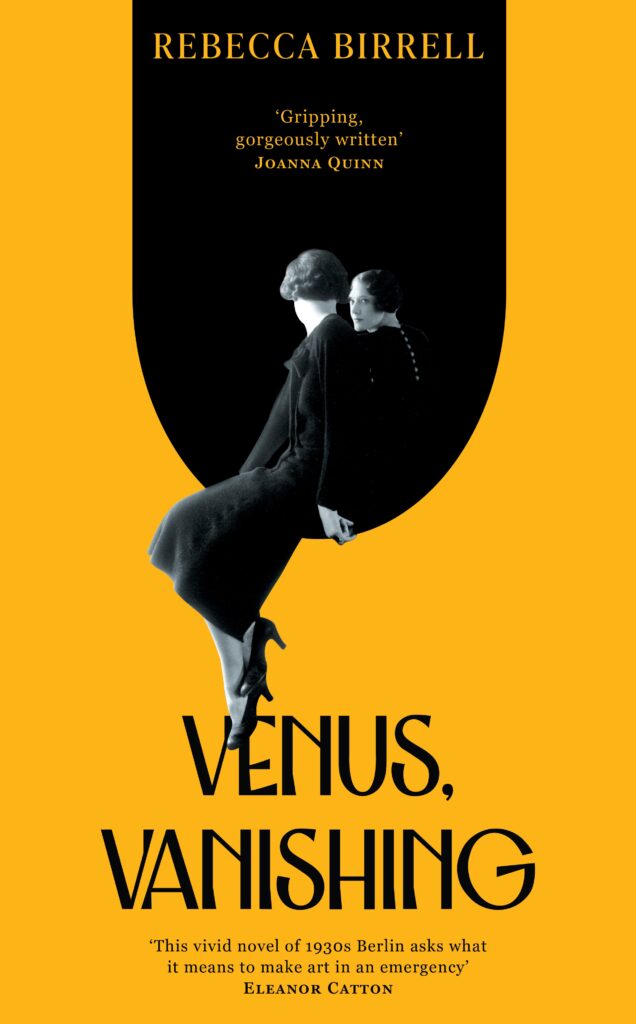
This novel began for me in the summer of 2022, while working as a curator at The Fitzwilliam Museum in Cambridge. I was researching a painting in the collection by Gustave Courbet, and the journey it had made after being stolen from a Jewish family through the private collections of high-ranking Nazi officials. I was fascinated (and horrified too) by the transformations I sensed had taken place as the painting changed hands. For Courbet, the painting embodied the raw sensation and physicality of nature and rejected the stuffy idealism of his artistic predecessors. Under Nazi ownership, this same painting was a hymn to rural life consistent with ‘blood and soil’ ideology. I began to wonder whether this distortion of an artwork’s meaning could only have happened to an artist like Courbet, who was long dead when the Nazis came to power. A question came to me that would become the basis of Venus,Vanishing: what if an artist deemed ‘degenerate’, a queer Jewish woman, produced work that just so happened to correspond with the regime’s tastes? I was surprised when I let myself sit with this idea: I was a Jewish art historian who had carefully avoided coming too close to the Holocaust in my own research.
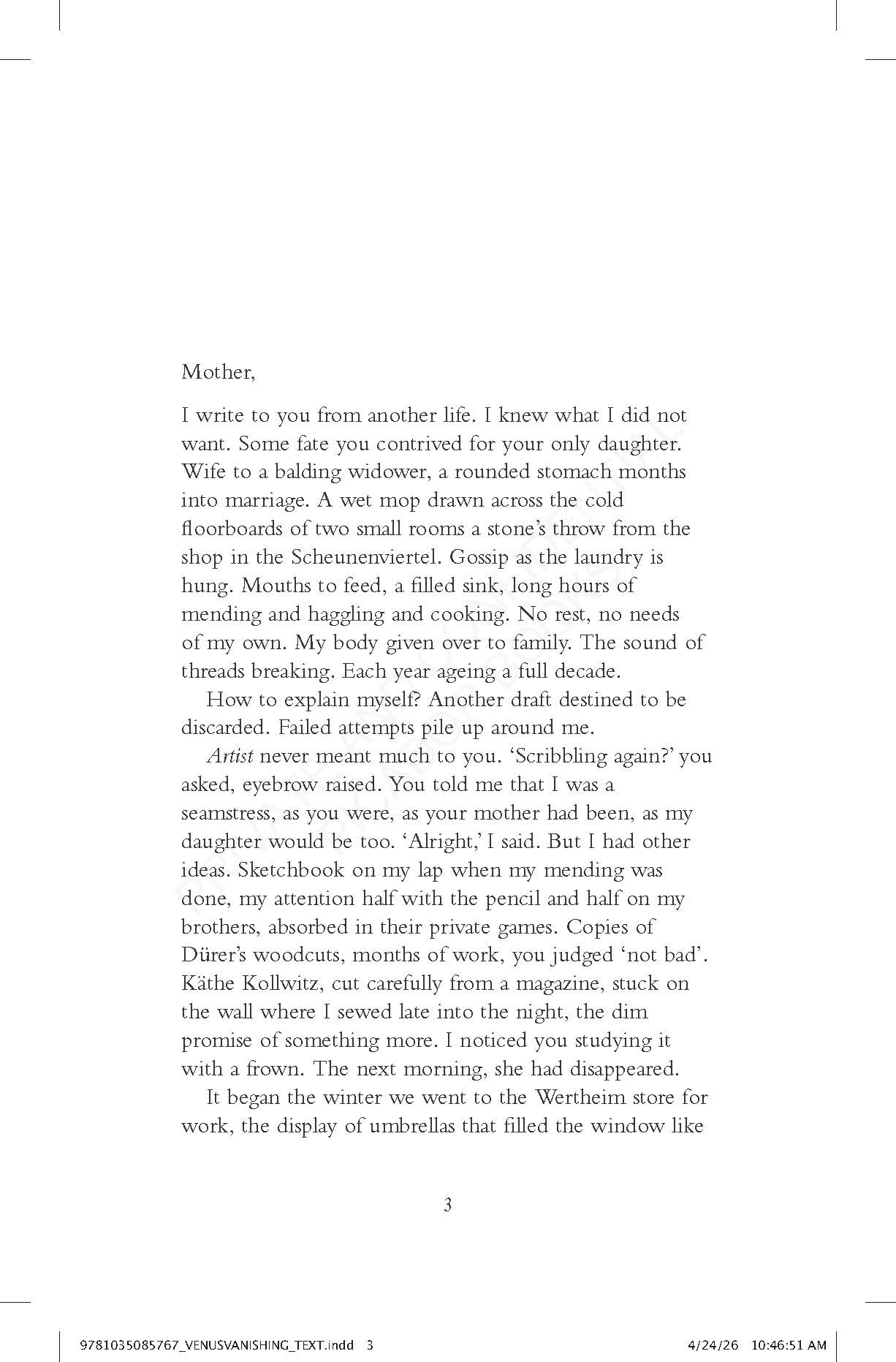
I began Venus, Vanishing thinking about how paintings are not just products of history, but are witnesses to it. The novel traces how a young Jewish artist’s life is altered by a commission to paint a series of nude portraits. The backdrop of rising fascism—casual bigotry, discriminatory legislation, pogroms—is felt initially as an undertow, and later, devastates the world the novel has built. I decided I would root the story in the domestic, which I noticed wasn’t often given importance in historical accounts of the period, and to focus on women, who aren’t often considered meaningful agents of history. As I got further into my research, the novel became somewhere I could mourn the many European Jewish artists, curators, writers—innovators of all kinds—who had their careers destroyed and their lives ended by the Third Reich. Hannah, the narrator, is a composite figure who emerged out of paintings, drawings, diaries and letters of Jewish artists and writers; the same is true of the other protagonists, Saul, who is a curator, and Charlotte, a dancer.
Nothing can be done to alleviate the pain of so much extinguished possibility. But I found solace in writing about the pleasures, joy, dreams and intimacies of young Jewish creatives in Berlin during a historical moment in which the personhood of those like them was increasingly reviled and would be subject to vicious dehumanization. I knew I wanted to write about freedom, resistance and creativity: an artist’s coming-of-age. I hadn’t known this would become a story about desire, deception and shame, and, perhaps most of all, love. Engrossing myself in these relationships was a poignant reminder of how life carried on in recognisable ways for Jews living under fascism: they had ordinary hopes and dreams; they wanted love and happiness, like us. I hope you enjoy Venus, Vanishing!