
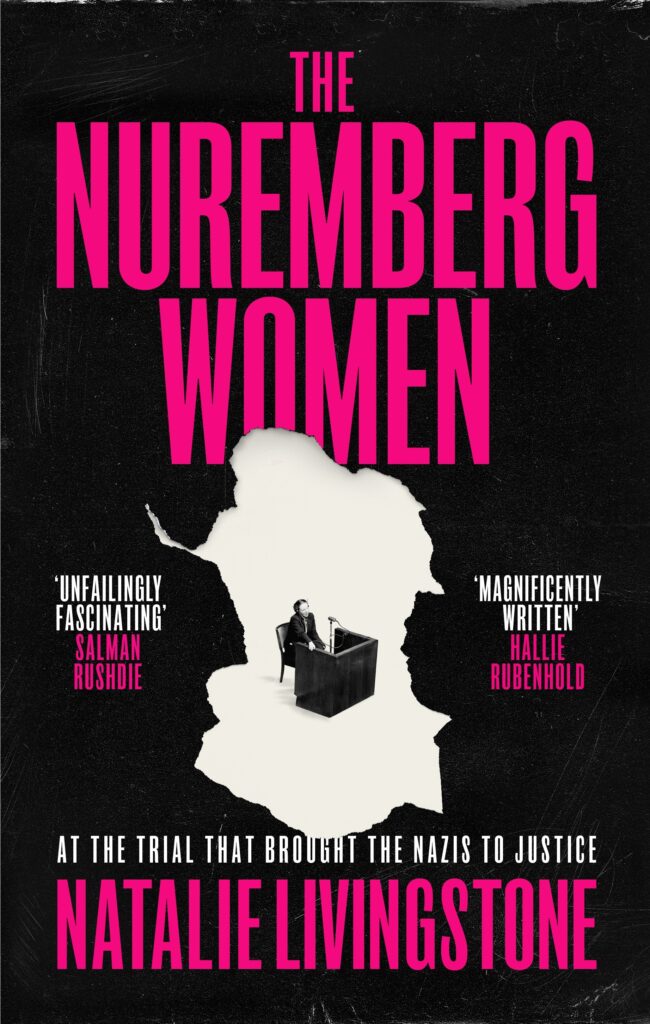
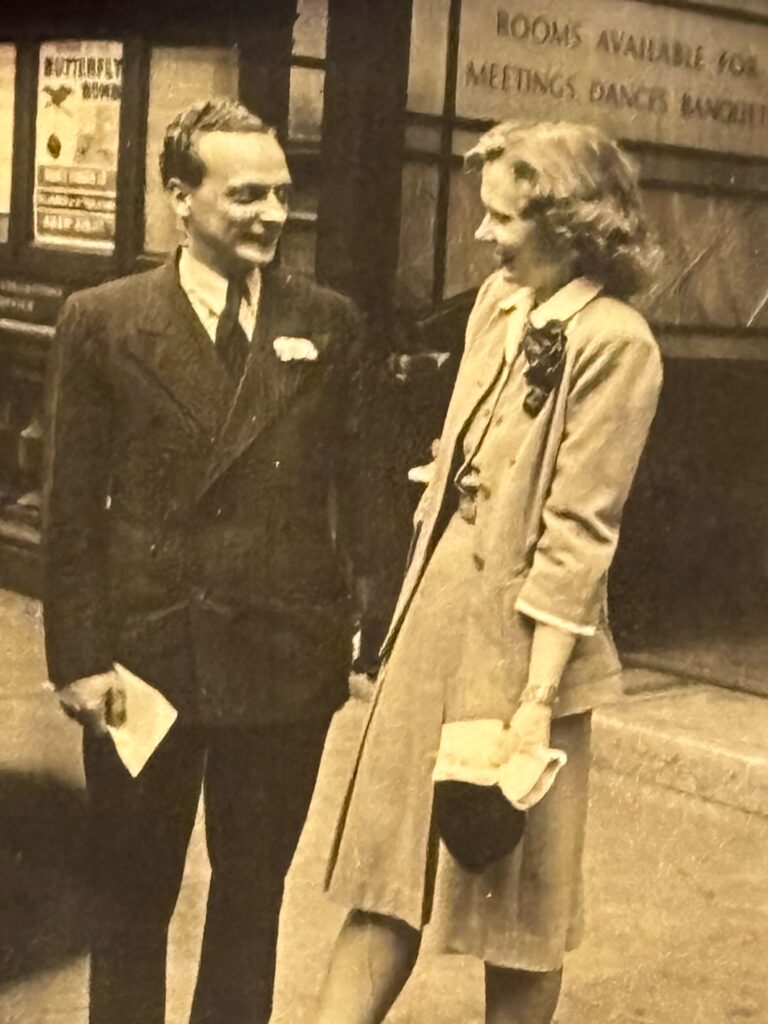
NUREMBERG, 1945. The eyes of a world desperate for truth, hope and justice turn to a courtroom where the leaders of the defeated Nazi regime sit in the dock. In this revelatory history, Natalie Livingstone sheds new light on the trial of the century, through the stories of extraordinary women whose importance has long been ignored.
Seen through the eyes of these astonishing women, the story of Nuremberg is a monumental human drama full of hope and romance, terror and conflict. It is the story of a search for truth among misinformation, love among ruins and light in overwhelming darkness. Eighty years after the trials, The Nuremberg Women offers a gripping new account of one of the defining events of the twentieth century.
About the author
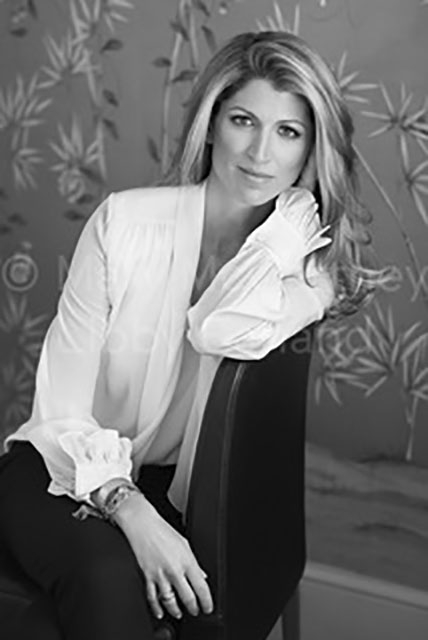
Natalie Livingstone was born and raised in London. She graduated with a first class degree in history from Christ’s College, Cambridge in 1998. She began her career as a feature writer at the Daily Express and now contributes to Tatler, Harper’s Bazaar, US Vogue, Elle, The Times and The Mail on Sunday. Natalie is the bestselling author of The Mistresses of Cliveden and The Women of Rothschild.
“It brilliantly slices through the machismo, violence and mass horror inflicted by men in the war, in the absence of female influence”
Independent
A note from the author
When I began writing The Nuremberg Women, I thought I was writing about a trial. The deeper I went, the more I realised I was writing about hope. The bravest kind of hope: the belief that even after humanity has done its very worst, we can still choose truth over lies, law over vengeance, and civilisation over barbarism.
In 1945 the world could finally exhale. After six years of bloodshed, after tens of millions of lives lost, after cities flattened and families eviscerated, there came a moment of reckoning. The Nazi regime had been defeated. Its leaders had been captured. And the question facing the Allies was brutally simple: what now?
Many wanted swift revenge – Churchill, at one point, favoured simply shooting the leading Nazis. Instead, the Allies chose something more difficult, more disciplined and infinitely more powerful. They chose to put the architects of evil on trial. Robert Jackson, the American chief prosecutor, called it “one of the most significant tributes that power has ever paid to reason”.
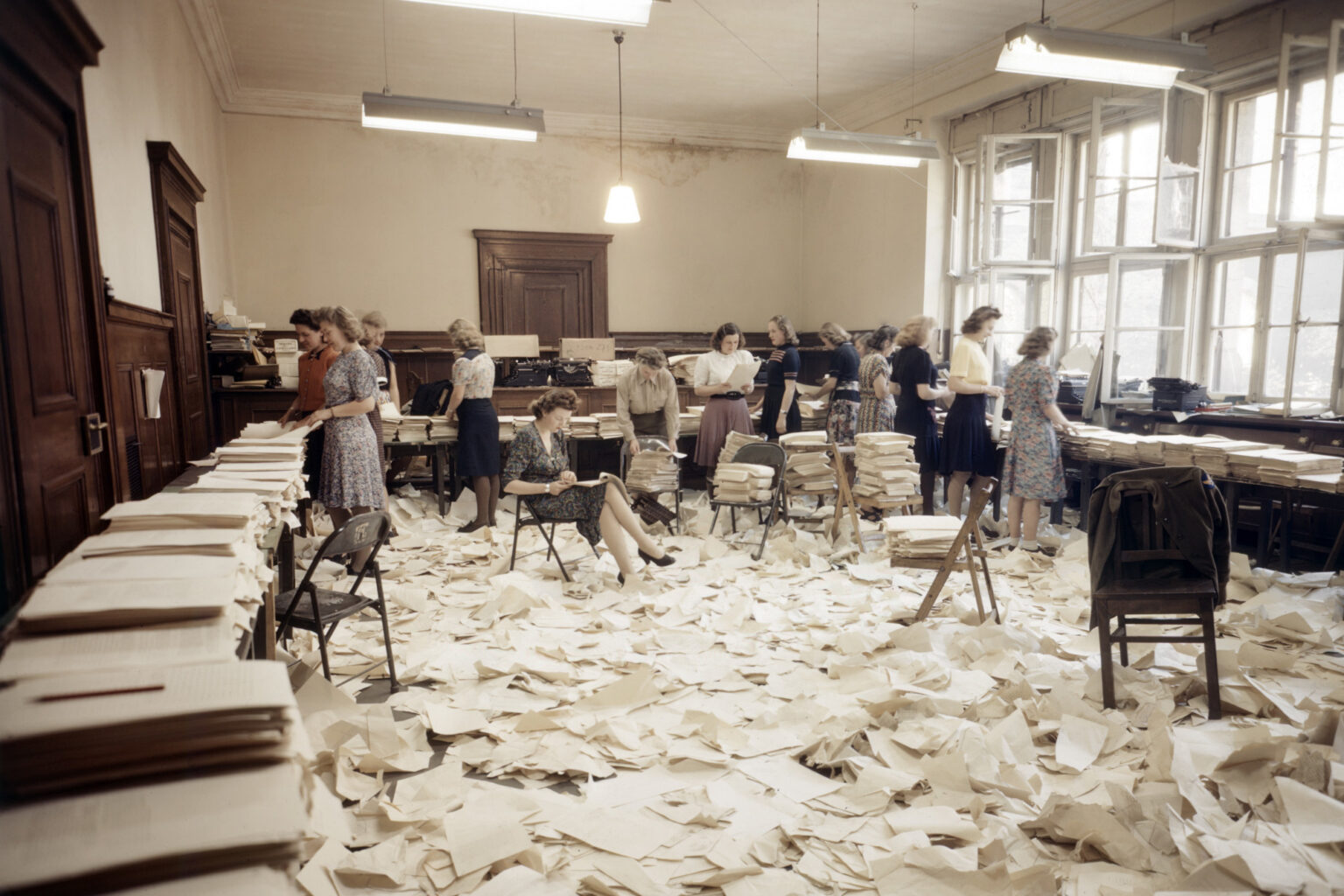
Power paying tribute to reason. That is the essence of Nuremberg. But reason does not speak for itself. Someone has to gather the documents, find the words, look at the photographs and say aloud what was done. And an astonishing amount of that work was done by women.
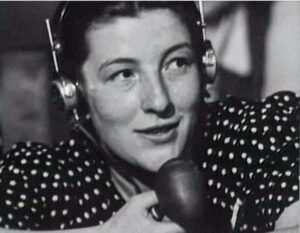
We remember Nuremberg as a room full of men: the judges, the generals, the prosecutors, the defendants in the dock. Women rarely figure. But the truth is they did. They were journalists, interpreters, artists, lawyers, resistance fighters and survivors. They translated the unspeakable. They reported the unimaginable. They gave evidence. They made the record – and then history mislaid them, or at best, consigned them to its margins.
Twenty-four members of the Nazi elite were indicted, and a new phrase, “crimes against humanity”, was coined to name the unnameable. It was a Frenchwoman who filled that phrase with meaning. On 28 January 1946, Marie-Claude Vaillant-Couturier – resistance fighter, deportee, survivor of Auschwitz and Ravensbrück – stood a few feet from Göring and set out, with forensic calm, what the camps had been: the selections, the children, the industrialised murder. She did not weep. She did not embellish. She would not be shaken under cross-examination. It was the day the Holocaust entered the legal record of the world.
Others ensured it stayed there. Harriet Zetterberg, the brilliant young American lawyer, compiled the airtight case that saw Hans Frank – The Butcher of Poland – convicted, yet, barred from speaking in court, her work was read aloud by a man. Erika Mann, the German-American journalist, anti-Nazi activist, and daughter of globally renowned novelist Thomas Mann, brought fierce intelligence and personal fury to her trial reporting. Between them – and many others – these women did the work that “never again” actually requires: not a slogan, but testimony, translation, evidence, witness.
That is why this story speaks so urgently to our own bleak and troubled times. Never again does not enforce itself. Truth is not self-preserving. In an age of denial, distortion and exhausted attention, the survival of a fact still depends on people willing to establish it, repeat it and refuse to be shaken. Hope, as these women understood it, was never blind optimism. It was work.
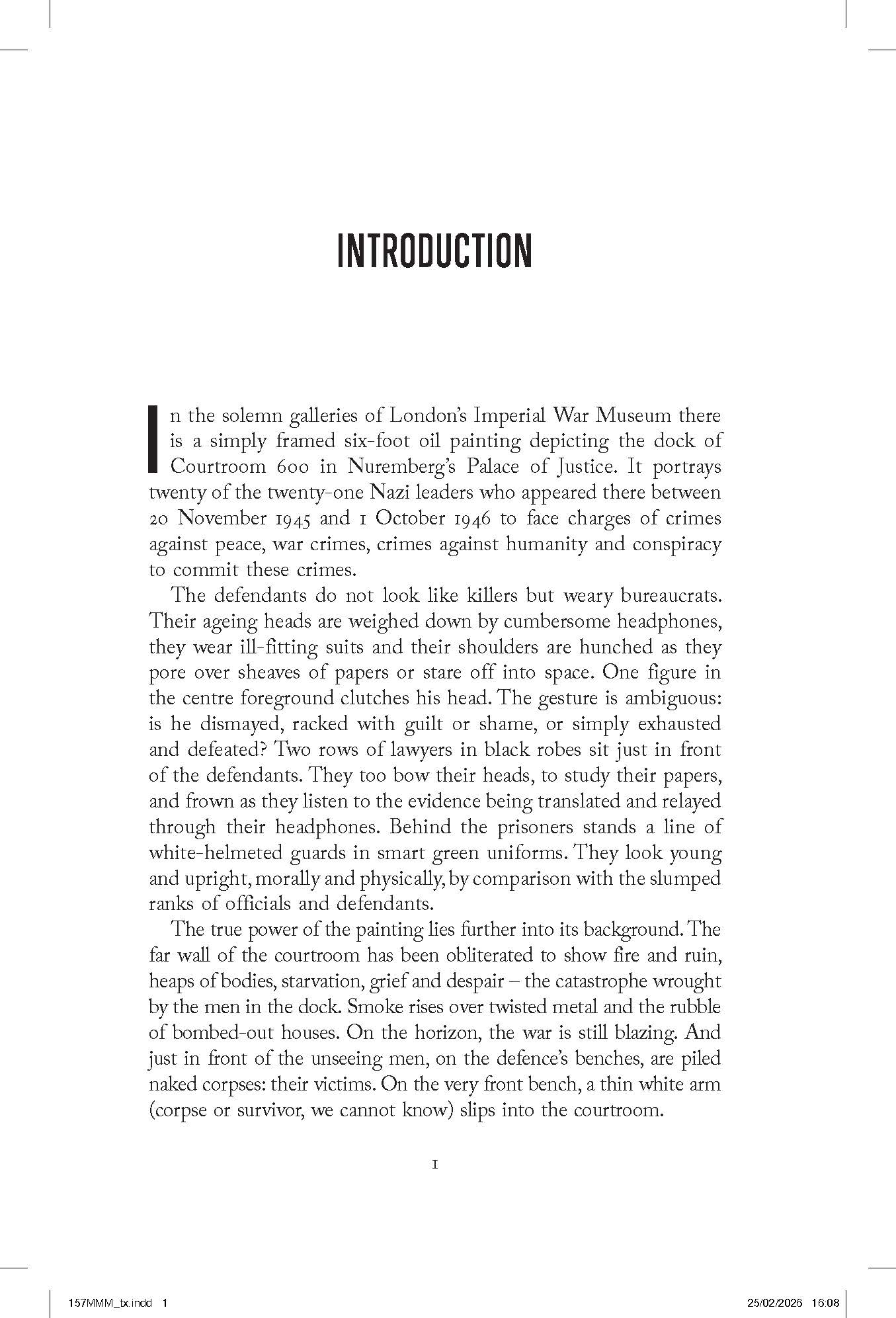
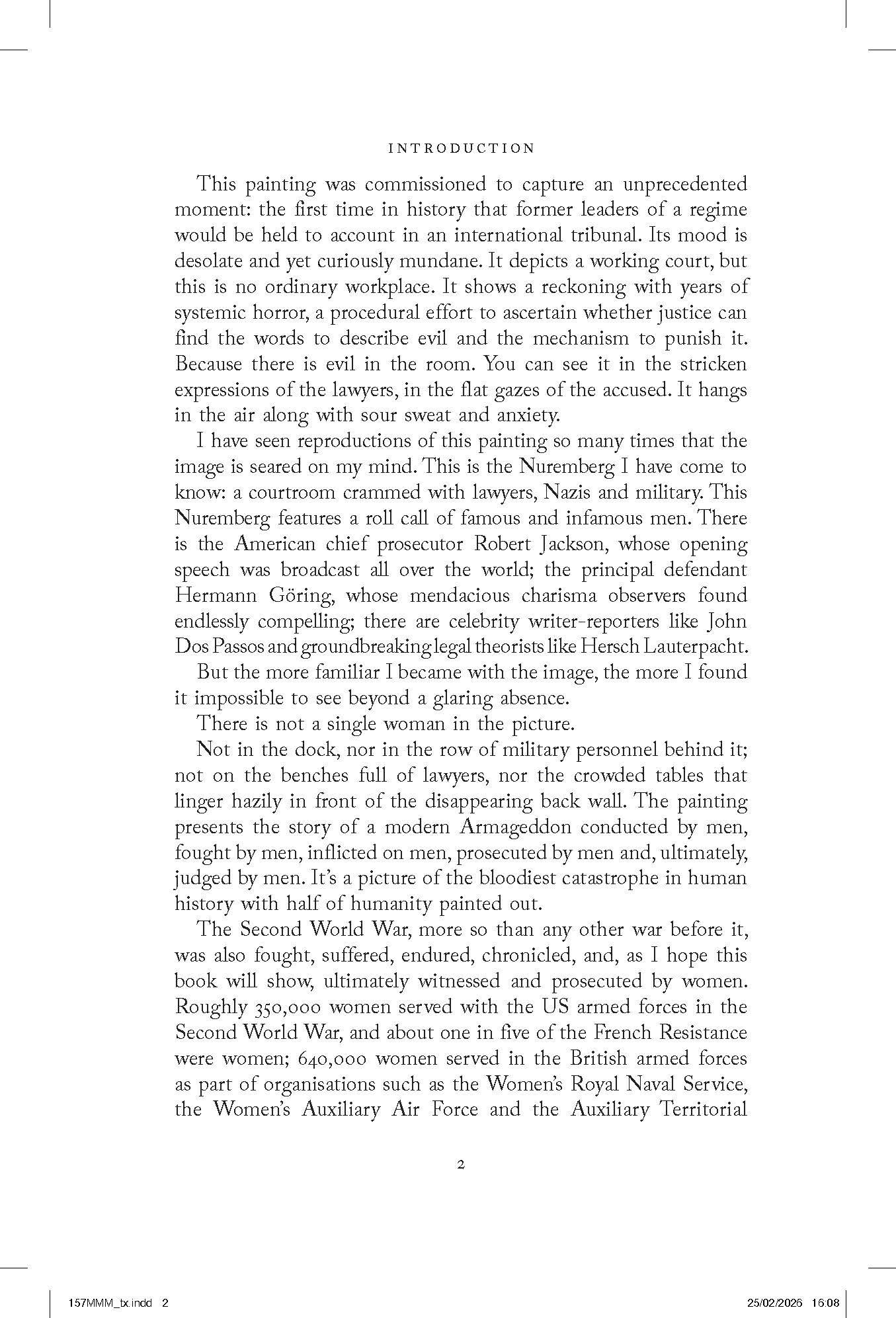
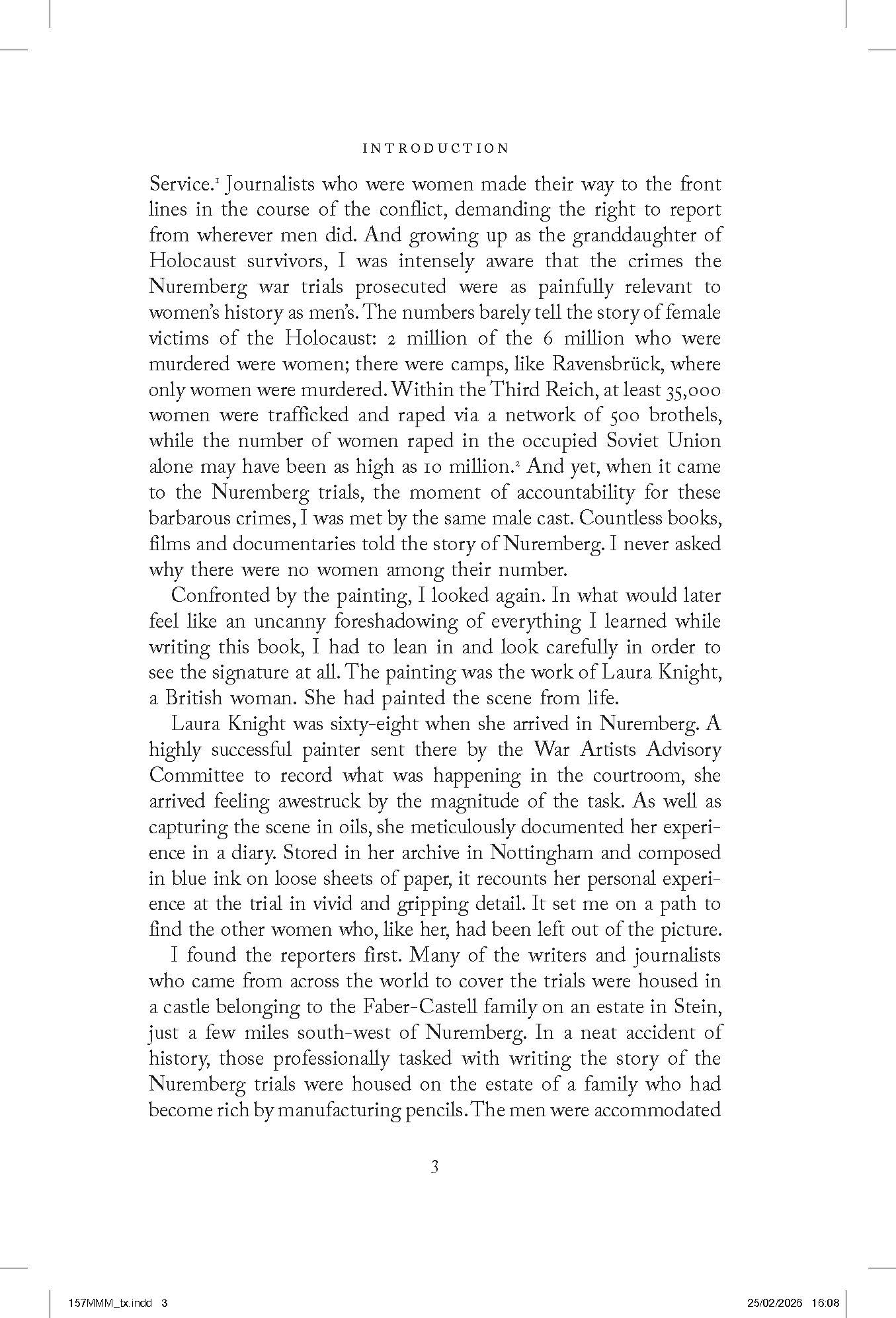
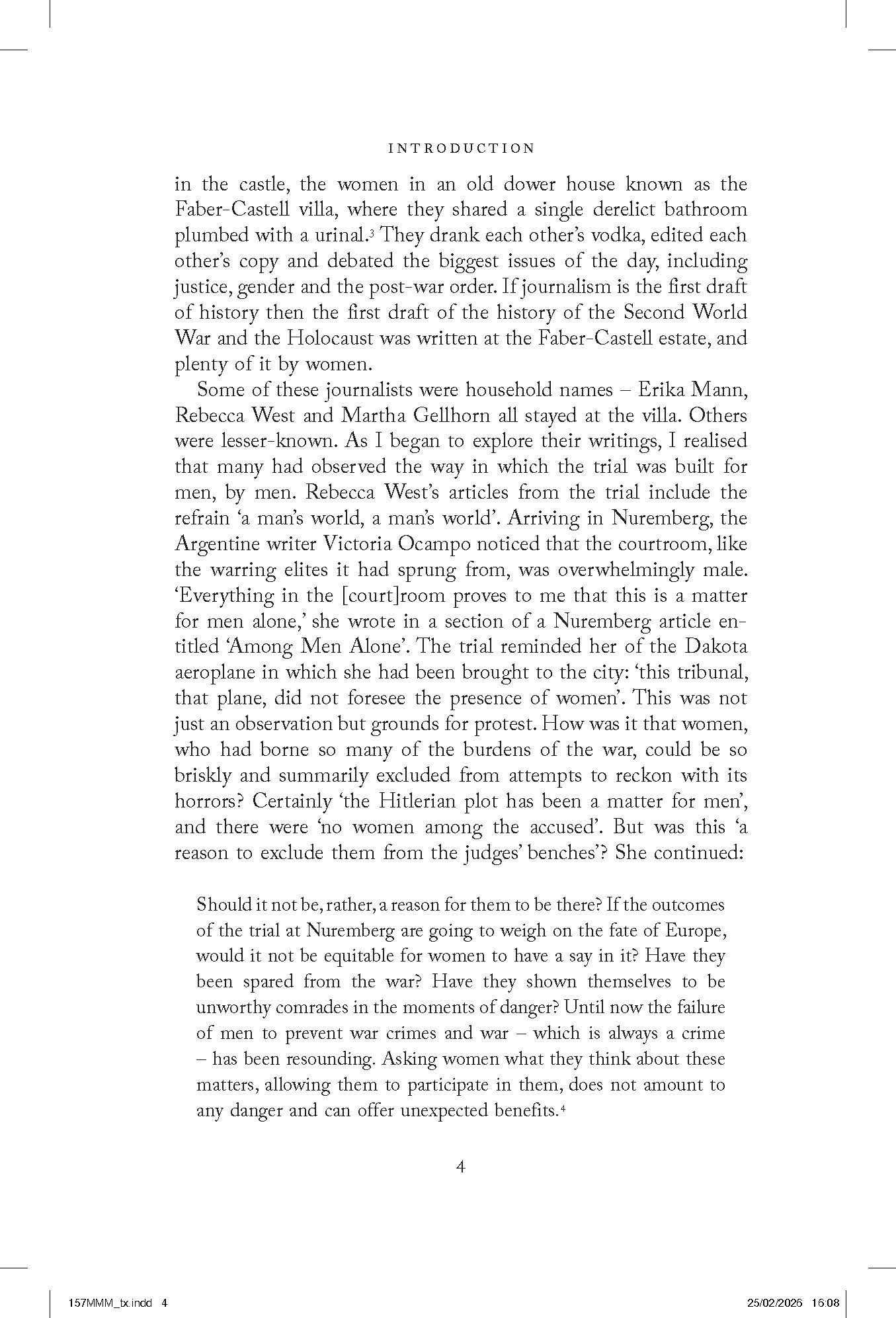
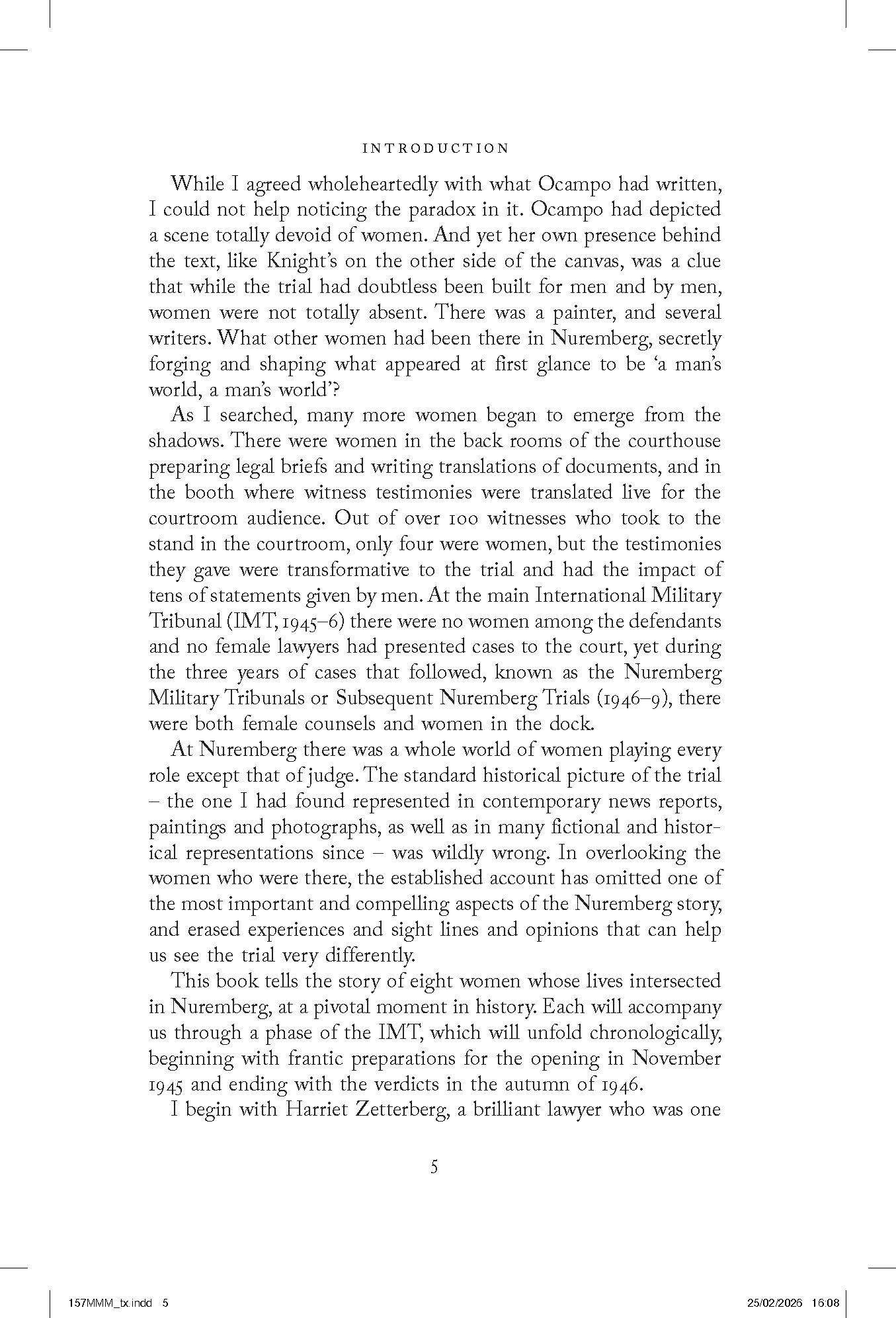
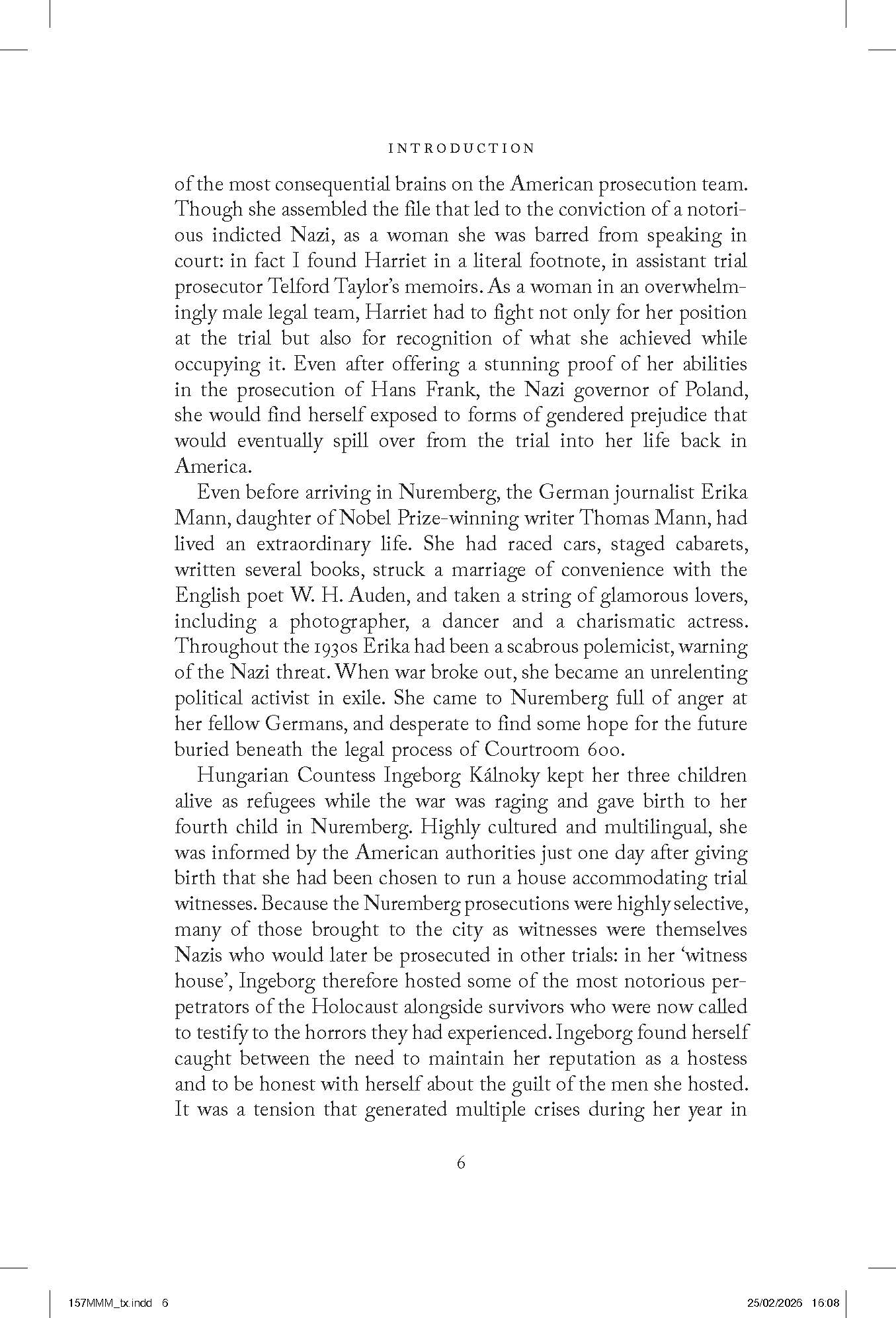
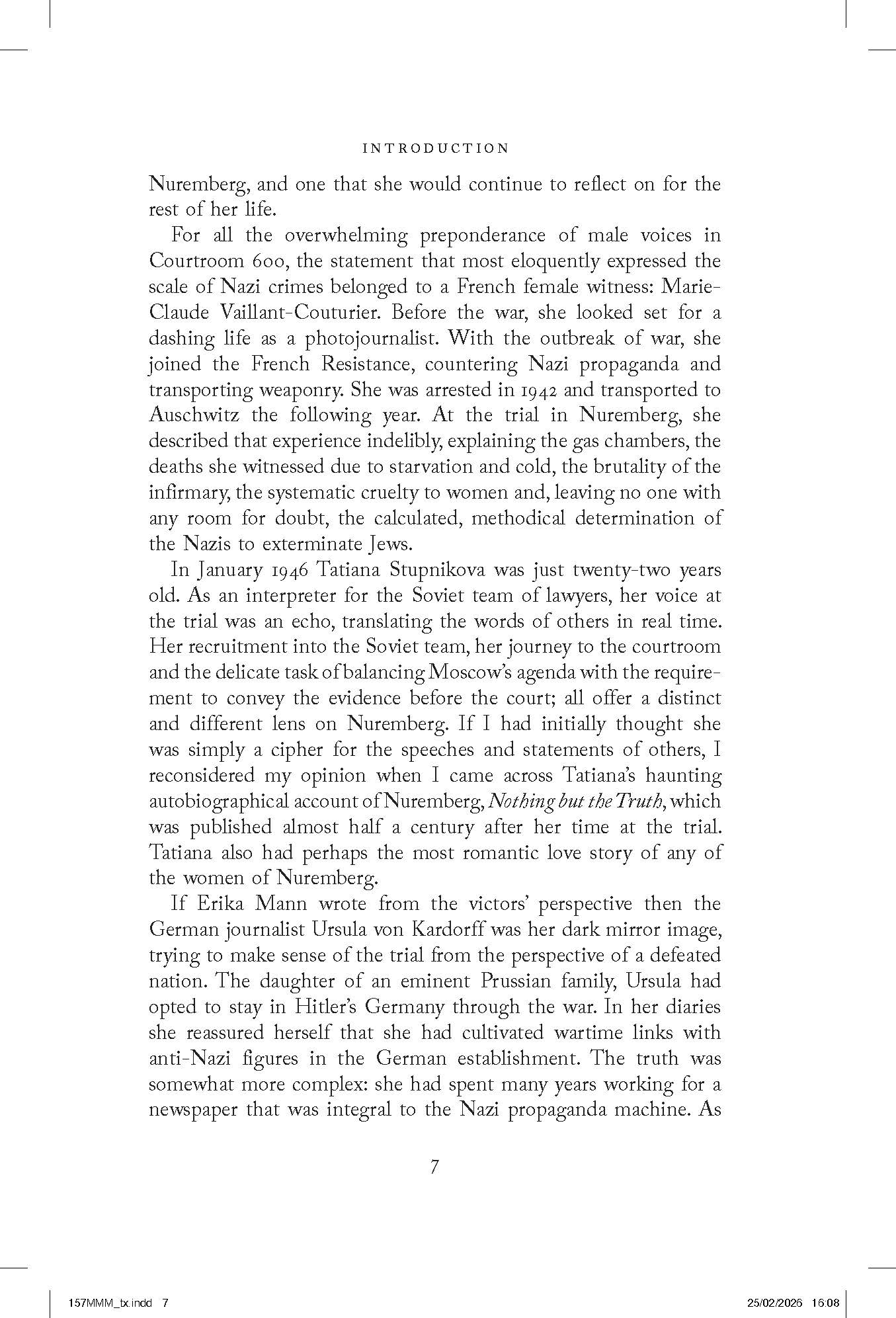
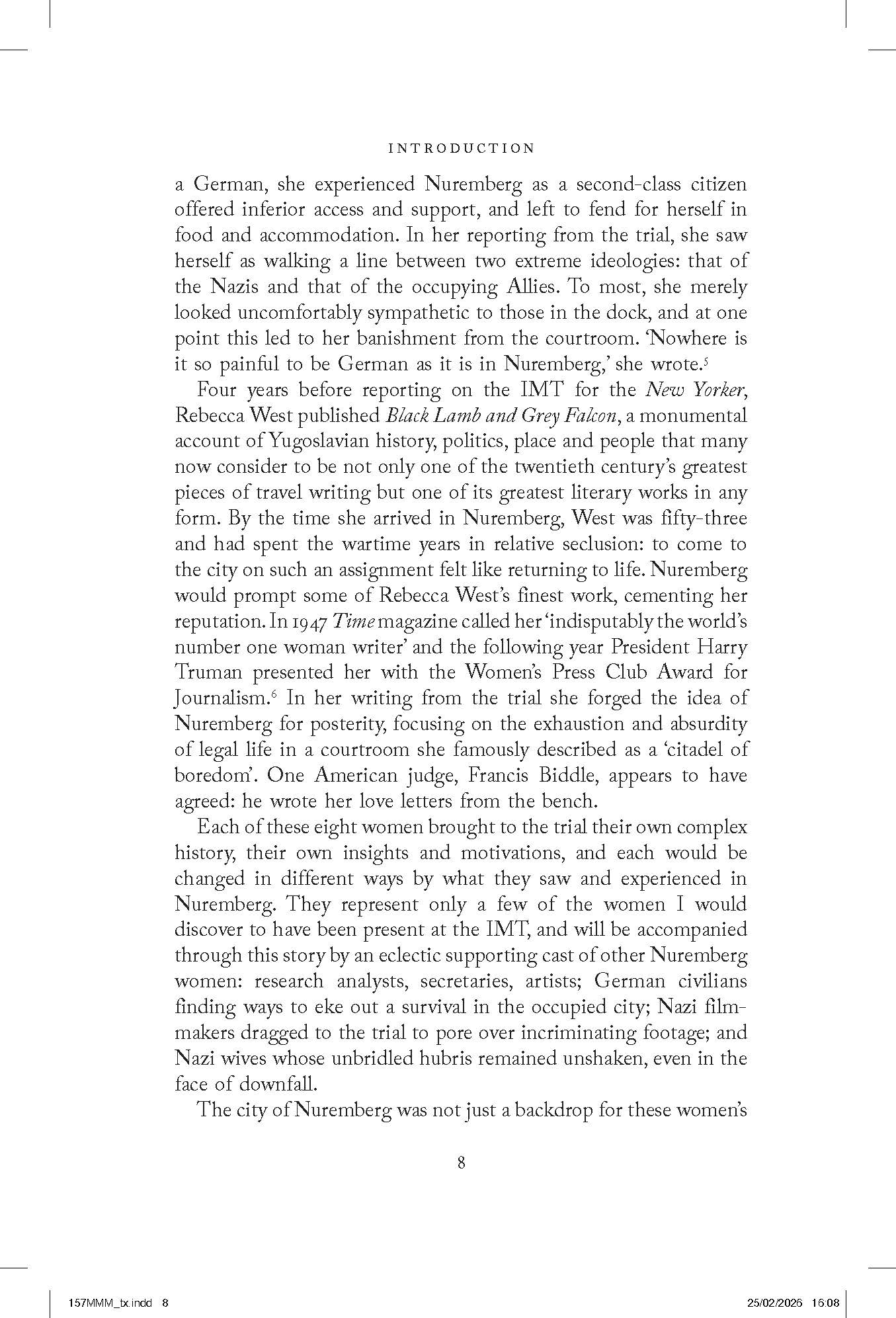
Read the opening pages of The Nuremberg Women
“Natalie Livingstone’s deeply researched, unfailingly fascinating book gives the many extraordinary women at or near the centre of the Nuremberg trials their proper, important, and often ignored place in history”
Salman Rushdie
“A text that feels remarkably three-dimensional, as the reader gets a different vantage point both on the events in courtroom 600 and the postwar world”
Erica Wagner
Hear from the author