Discover the thirteen titles longlisted for the inaugural Freudenheim Translation Prize.
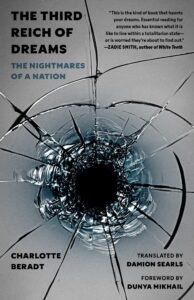
The Third Reich of Dreams by Charlotte Beradt, Translated by Damion Searls
The Third Reich of Dreams collects Charlotte Beradt’s haunting Nazi-era dream fragments, showing how ordinary Germans unconsciously processed the terror and ideology of the regime. The lucid, often surreal accounts reveal dreams as one of the last spaces of personal autonomy and convey the extreme dislocation faced by Jewish citizens.
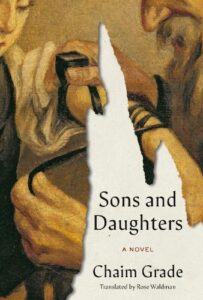
Sons and Daughters by Chaim Grade, translated by Rose Waldman
Sons and Daughters brings Chaim Grade’s long-suppressed Yiddish epic to the public, portraying a pious Jewish community in 1930s Poland as it is shaken by Reform, communism, secular culture, and rising antisemitism. Grade evokes a world in turmoil, unaware of the catastrophe to come.
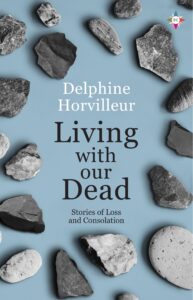
Living with our Dead by Delphine Horvilleur, translated by Lisa Appignanesi
Rabbi Delphine Horvilleur offers reflections on mourning, fear, and the ways loss reshapes our language and lives, drawing on the funerals she’s led and the stories of those she’s accompanied.
The Book Against Death by Elias Canetti, translated by Peter Filkins
Canetti distils his lifelong, defiant struggle against mortality, shaped by personal loss and the traumas of the twentieth century. Across decades of fragmentary notes, he confronts death as an enemy while challenging the complacencies of his contemporaries.
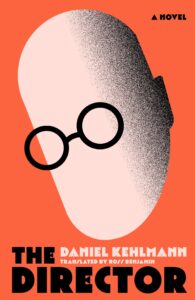
The Director by Daniel Kehlmann, translated by Ross Benjamin
A brilliant and dark novel of art, power and how fear and corruption become normal. Austrian film director GW Pabst fled the Nazis for Hollywood; forced to return to Germany, he created propaganda films for them.
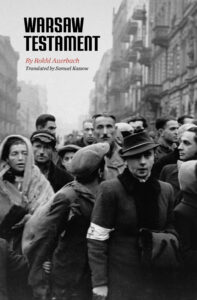
Warsaw Testament by Rokhl Auerbach, translated by Samuel Kassow
A vivid memoir of one writer’s involvement with the Oyneg Shabes, archiving her experiences within the Warsaw Ghetto. A journalist and literary critic, Rokhl Auerbach documented Warsaw’s pre-war Yiddish literary scene and played a key role in the development of Holocaust rememberance.
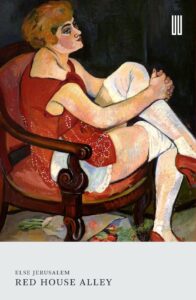
Red House Alley by Else Jerusalem, translated by Stephanie Ortega
The first complete English-language translation of this revolutionary 1909 novel abot sex workers in 19th Century Vienna. After being banned by the Nazis in 1933, the book was forgotten for over 80 years.
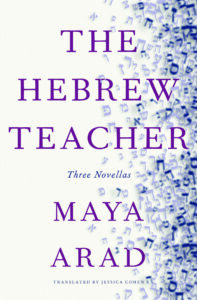
The Hebrew Teacher by Maya Arad, translated by Jessica Cohen
A collection of three moving novellas, blending irony and sensitivity, that delve into the stories of three Israeli women whose lives are irrevocably changed by immigration to the United States. Explores the decline of idealism, the academic and expatriate life, and the generational gap that sets these women apart.
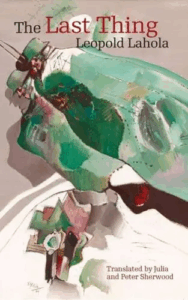
The Last Thing by Leopold Lahola, translated by Julia and Peter Sherwood
Nine stories by Slovak writer Leopold Lahola, who returned from forced exile during the Prague Spring during which time this collection was published in Slovakia. These stories follow the Jewish community through the pre-war rise of fascism into the tragedy of complete devastation. A collection exploring heroism, bravery, cruelty and madness.
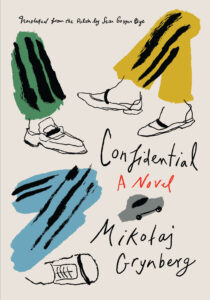
Confidential by Mikołaj Grynberg, translated by Sean Gasper Bye
A darkly comic novel following the fortunes of three generations of a Polish Jewish family, simultaenously examining antisemitism, ambition, family memory and intergenerational trauma.
How to Love your Daughter by Hila Blum, translated by Daniella Zamir
A story of family estrangement which reflects on how the strength of love can disguise the damage of our actions. Winner of the Sapir Prize 2022, this novel has been hailed as ‘a new and wonderful occurrence has transpired in Israeli literature’ (Neri Livne, Haaretz).
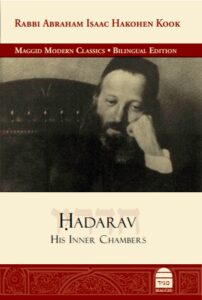
Hadarav, His Inner Chambers by Abraham Isaac Hakohen Kook, translated by Bezalel Naor
A collection of intimate essays by Rav Kook, the first Ashkenazi Chief Rabbi of British Mandatory Palestine and a father of religious Zionism. These essays explore both his passion and his doubts, offering a unique insight into the mind of a master scholar and spiritual leader.